
Currently Empty: $0.00


How to Travel During Pregnancy: A Complete Safety & Comfort Guide
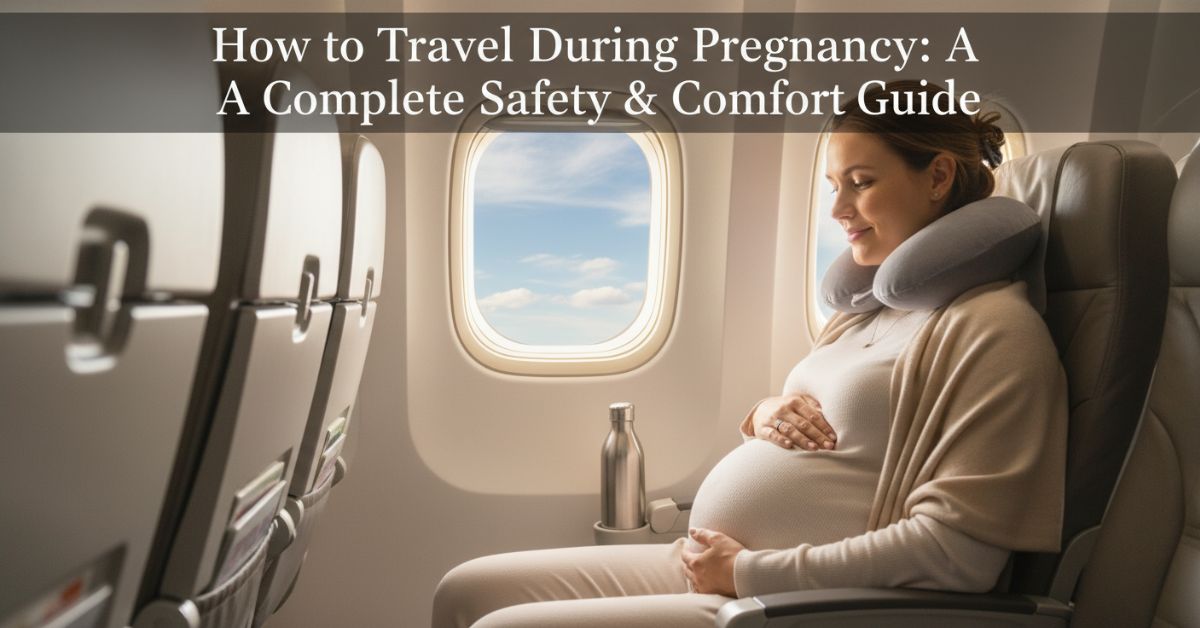
Summary: Traveling during pregnancy is completely possible with the right planning and medical guidance. This blog explains the safest time to travel, best transportation modes, essential packing tips, and comfort measures every mom-to-be should follow. It also highlights how tools like the Keyar Echo fetal doppler offer additional reassurance during long journeys. With these simple preparations, expecting mothers can enjoy stress-free, comfortable, and memorable trips.
Traveling during pregnancy doesn’t have to be overwhelming. With mindful planning, a few safety steps, and understanding your body’s needs, most expecting mothers can travel smoothly throughout their pregnancy. Whether it’s a short family trip, a business journey, or a long-awaited vacation, knowing how to prioritise your comfort and safety helps you enjoy the experience without worry. Many women even find that traveling during pregnancy becomes an opportunity to unwind, bond with their partner, and create beautiful pre-baby memories.
Contents
- 1. Consult Your Healthcare Provider First
- 2. Choose the Best Time to Travel
- 3. Pick the Right Mode of Transportation
- 4. Pack Smart for a Comfortable Trip
- 5. Prioritise Comfort & Safety
- 6. Plan for Extra Rest
- 7. Additional Travel Tips for Pregnant Women
- 8. Keyar Echo: A Helpful Device for Stress-Free Travel
- Navigate Pregnancy Travel With Ease & Peace of Mind
1. Consult Your Healthcare Provider First
Before confirming any travel plans, speak with your doctor. They can assess your pregnancy stage, check for risks, and guide you on whether long-distance or air travel is safe for you.
Your doctor may advise on:
- Safe modes of transport
- Medications to carry
- Travel restrictions based on trimester
- Whether you need a fit-to-fly certificate
2. Choose the Best Time to Travel
The second trimester (13–28 weeks) is generally the most comfortable period for travel. Hormonal stability improves energy levels and reduces nausea, making travel easier. At this stage, the risk of complications is also comparatively lower.
Benefits of second-trimester travel:
- Reduced morning sickness
- Higher energy levels
- Lower complication risks
- Better mobility and comfort
If traveling in the first or third trimester, choose shorter, low-exertion trips.
3. Pick the Right Mode of Transportation
Air Travel
Flying is generally safe for healthy pregnancies until 28–36 weeks, depending on airline policies. Motion, pressure changes, and long sitting hours can cause discomfort, so planning ahead helps.
- Airlines allow flying until 28–36 weeks depending on policy
- Choose an aisle seat
- Hydrate well and stretch regularly
Road Travel
Road trips offer flexibility, but sitting too long can strain your back and legs. Frequent breaks ensure comfort and good circulation.
- Ideal for short to medium journeys
- Take breaks every 60–90 mins
- Wear the seatbelt below the belly
Train Travel
Trains provide space to move around and usually have smoother rides, making them ideal for longer distances.
- More legroom and movement flexibility
- Good option for long distances
4. Pack Smart for a Comfortable Trip
Packing thoughtfully ensures you stay comfortable and prepared throughout the journey. Keep only the essentials you’ll need within reach. Carry essentials that support your comfort and health during the journey:
- Prenatal vitamins & daily medications
- Medical records and prescriptions
- Loose, breathable clothes
- Compression socks
- Travel pillow for back support
- Healthy snacks and water
5. Prioritise Comfort & Safety
Travel comfort becomes essential during pregnancy to avoid fatigue or strain. Making simple adjustments helps maintain posture and prevent discomfort. Little adjustments can make a big difference:
- Wear layers to adjust to changing temperatures
- Choose supportive shoes
- Avoid sitting for long periods
- Stretch your legs frequently
- Use lumbar support for back pain
6. Plan for Extra Rest
Pregnancy increases the need for rest as your body works harder. Overexertion can lead to fatigue, dizziness, or discomfort, so pacing your travel is crucial.
Include:
- Nap breaks
- Minimal walking during peak heat
- Relaxation time
- Overnight halts for long journeys
Your body will guide you—listen to it.
7. Additional Travel Tips for Pregnant Women
Small precautions can prevent travel discomfort and health risks. Staying mindful of the environment and hygiene keeps you safe throughout the journey.
- Avoid extremely hot or high-altitude destinations
- Eat only fresh, hygienic food
- Drink water frequently
- Keep emergency contacts handy
- Opt for travel insurance with pregnancy coverage
8. Keyar Echo: A Helpful Device for Stress-Free Travel
Traveling can sometimes bring anxiety about being away from your doctor or hospital. The Keyar Echo fetal doppler offers quick reassurance by letting you listen to your baby’s heartbeat anytime during travel.
Why it’s helpful:
- Compact and easy to carry
- Gives instant fetal heartbeat readings
- Syncs with an app for tracking
- Provides peace of mind on long or remote trips
While not a substitute for medical visits, it helps expecting mothers feel more relaxed and confident during travel.
Traveling during pregnancy can be a deeply enriching and memorable experience when approached with thoughtful preparation and self-awareness. Choosing the right time to travel, planning a relaxed itinerary, and prioritizing comfort can transform your journey into a smooth and stress-free adventure. When you listen to your body and give yourself the rest you need, you naturally create a safer and more enjoyable travel experience for both you and your baby.
Devices like the Keyar Echo offer an added layer of reassurance, allowing expecting mothers to stay connected with their baby’s well-being even during long or unfamiliar trips. With the right precautions, a calm mindset, and the confidence that comes from being well-prepared, pregnant women can explore new places, cherish meaningful moments, and create beautiful memories during this special chapter of life.